
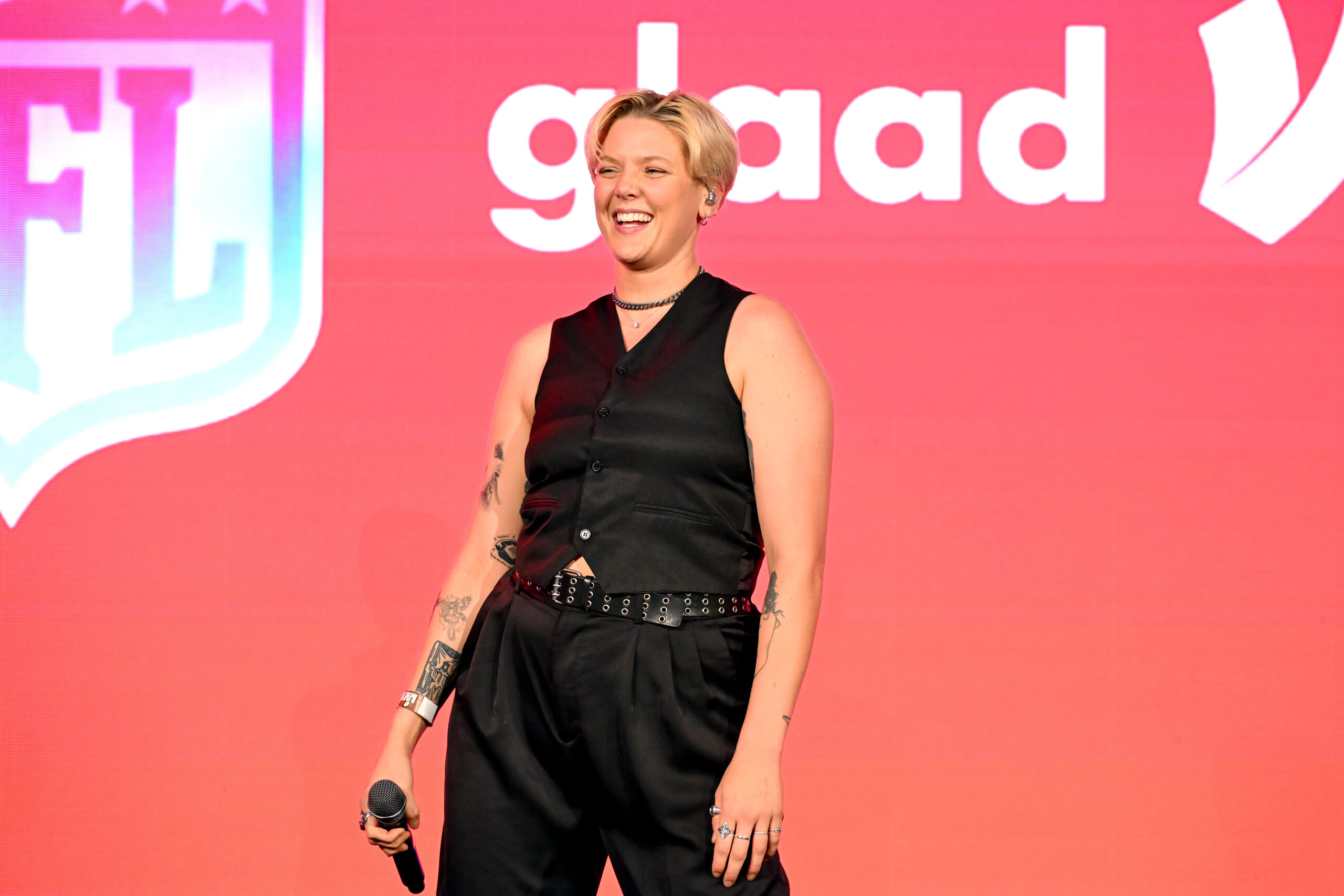
Betty Who's comments on a recent episode of the Made It Out podcast caused a flap within the queer community. Now the Australian pop singer, real name Jessica Anne Newham, has issued an apology for those "harmful" words, Billboard reports.
On the pod, Who, who is nonbinary and bisexual, discussed the recent hubbub around celebrities Fletcher and JoJo Siwa announcing romantic relationships with men while still identifying as queer. "It shouldn’t be illegal for you to fall in love," Who said on the podcast. "It’s kind of like, now we’ve come so far, that our community is so strong, that now it’s like a crime to be straight."
On the same topic, Who continued, "Reneé Rapp is like, 'You’ll never catch me dating a man.' Like, 'Go off, queen. I love that for you!' But I also hold space for her in 10 years if she goes, 'Oops, I met the love of my life and it’s this man, I didn’t mean to.' It’s like, that’s OK!"
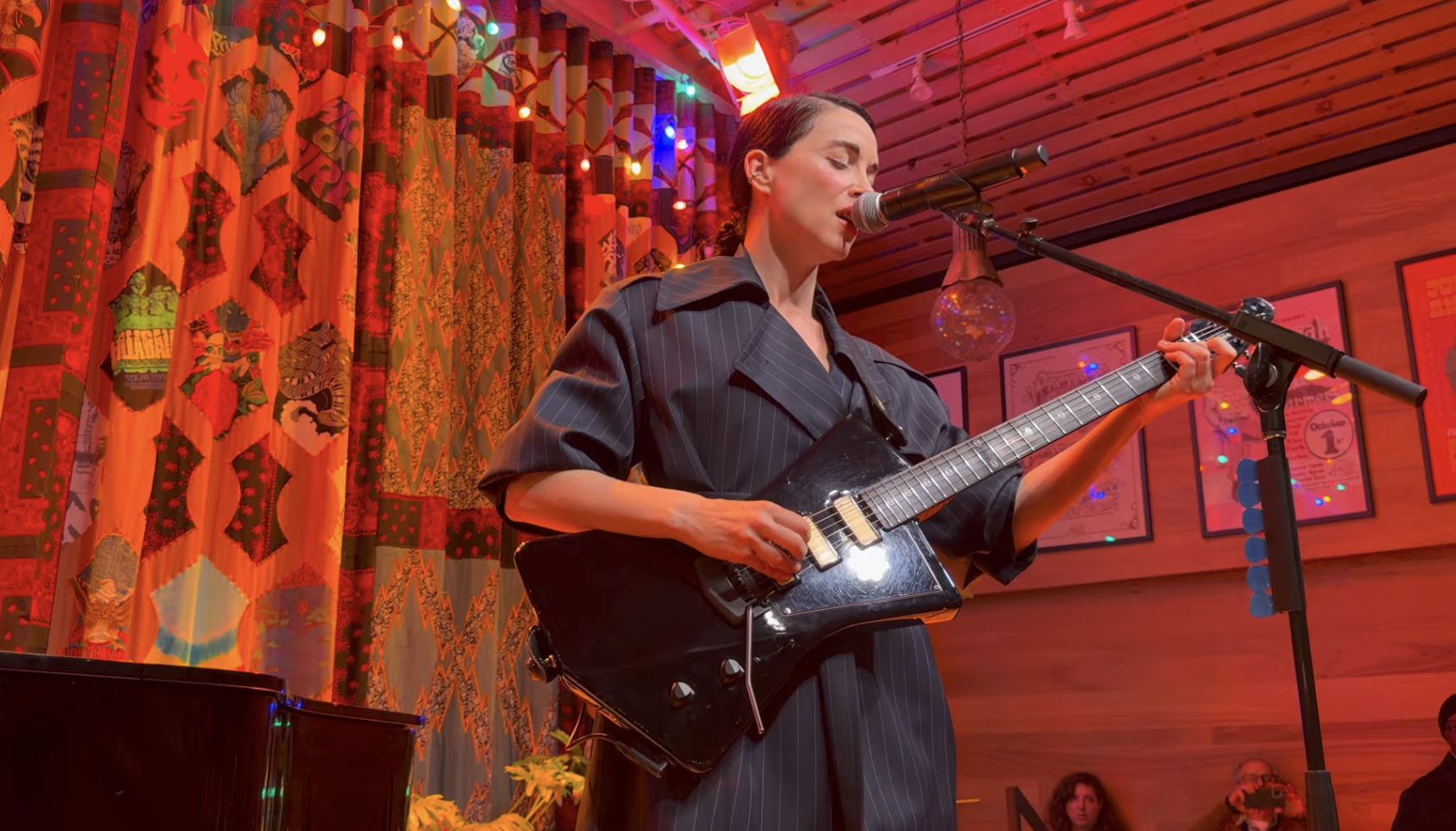
Some interpreted Who's comments as reinforcing the idea that lesbians would date men if they could just find the "right" one. One critique came from lesbian pop star King Princess, who said the following in a TikTok:
Date a man, it’s not a big deal. But why are you on a podcast talking about it? It’s not an interesting narrative. We live in a country where our rights are being stripped from us every day, and you think it’s important to get on a podcast and talk about how hard it is to be in a heteronormative relationship? Diva!
In response to these kinds of critiques, Betty Who issued this statement on their Instagram story:
In recent days, I've taken time to sit with the conversation around my gender and sexuality. I recognize that the language I used poorly articulated my experience and unintentionally reinforced ideas that were harmful or dismissive, particularly toward the lesbian community. That was never my intention, and I'm truly sorry. Everyone's journey is deeply personal, and I shouldn't have spoken in ways that generalized or spoke for others.
I went into the interview to discuss my own journey - specifically, how I figured out how to identify myself and how I ultimately landed on non-binary and bisexual, both assignments that live somewhere in-between. I understand there is so much nuance in this conversation, and in other people's lived experiences, that my comments did not reflect. I also recognize that I'm coming from a place of privilege, and I never meant to contribute to prejudice against the community.
The LGBTQ+ community is my home; it's where I came alive, found my people, and learned more about love, acceptance, and tolerance on a deeper human level. I will do better.