

Once again, here are my personal picks for the year's best in abattoir jazz, diaristic field recordings, audio Rothkos, ambient epics, electroacoustic cinema, marathon improv, and backroom electronica.
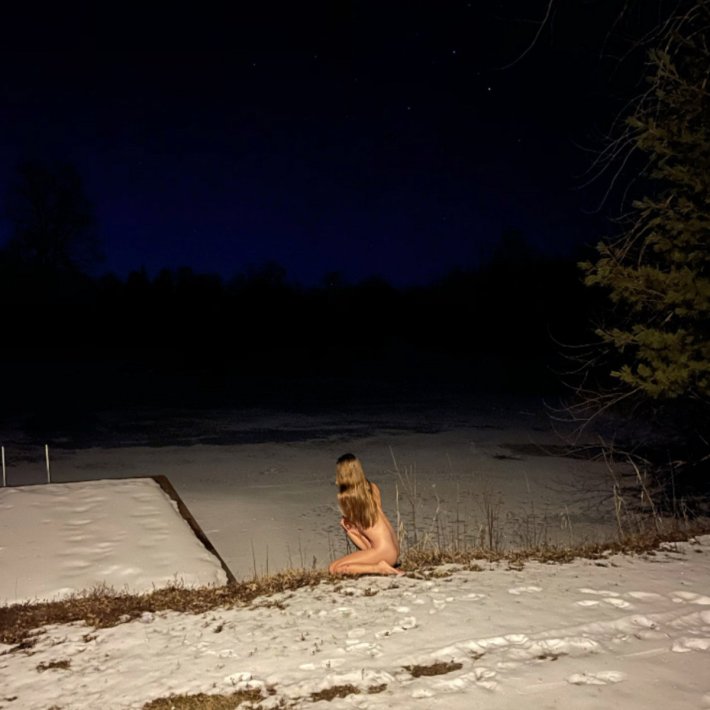
For her first album in a decade, Canadian composer Kara-Lis Coverdale delivers a melancholy and expansive ambient opus full of alien dreampop vocals, weeping strings, caverns of reverb, soft electronics, and epic suites for uncanny valley bloopage. Starting with masses of strings and voice, ending with pastel glaciers of synthetic sound, From Where You Come seems to slowly shed its organic layers like snakeskin. Sometimes like a Tangerine Dream soundtrack, sometimes like a Max Richter composition, sometimes like a lost vaporwave gem, but never less than beautiful.
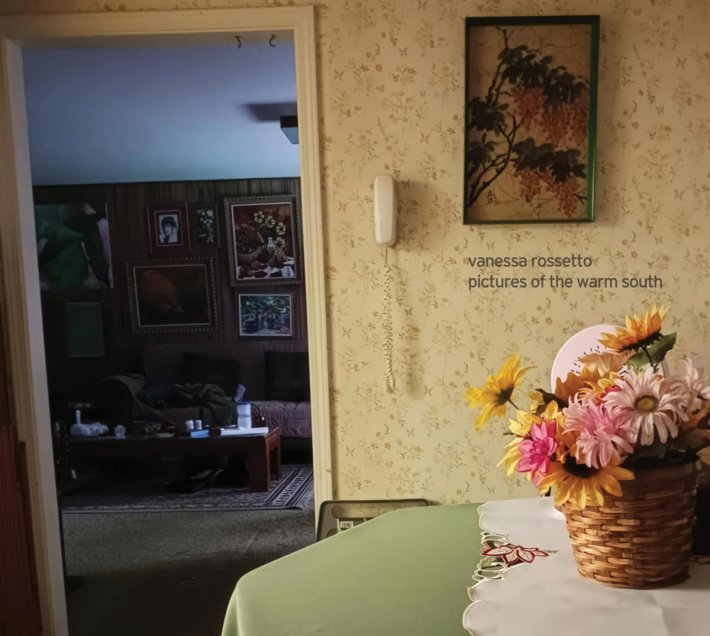
The Agnes Varda of deep listening returns with another piece of intimate audio vérité, a two-CD headphone collage made from recordings of her mother's final four months. Here, Rossetto's mom tells stories, but they are fractured, overlapped, and rendered indecipherable — distorted like memory itself. Life is painted by snatches of conversations, radio, street musicians, TV commercials, music boxes, sirens, bingo games and, ultimately, the memorial service. When Rosetto starts crying, her mother responds with a perfect mix of loving, scolding, concern, and quotidian minutiae that could never be scripted: "Do you cry like this everyday? You need to see a doctor, to get some therapy, that's what you need. And I need to make sure the back door is locked."
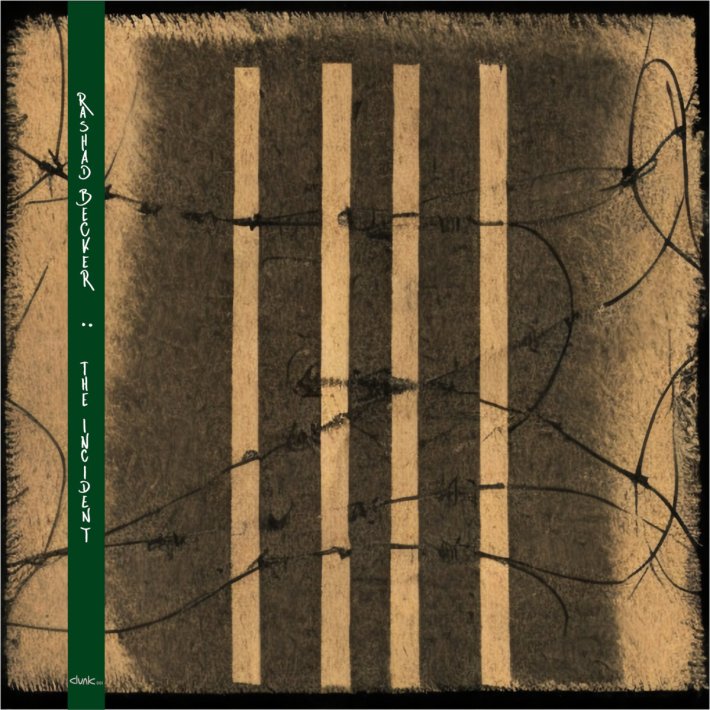
Rashad Becker's 2,000 mastering credits on Discogs probably means he might know a little something about sound. Maybe it's time to listen to some of his for a change, huh? Only his third album — and first on his new Clunk imprint — The Incident is a soundtrack for a movie that doesn't exist, an elastic, Neubaten-gone-EAI barrage of sproinging and gulping sounds with more action than The Running Man. Like Graeme Revell gone rouge, this sputtering gloom suite is ready for your space Western bar fight ("Zero Hour"), lunar rover chase scene ("Sāʿatu Alṣṣufri"), or 13-minute slaughterhouse torture scene (“Deadlock").
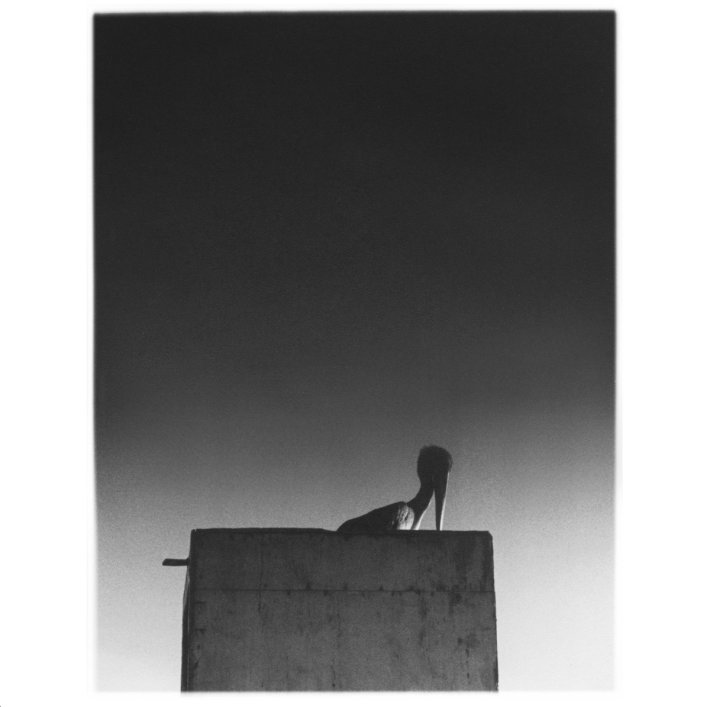
Stunning dark ambient that would rather paint skyscapes in grayscale than stare into the abyss. The final album by Pan Sonic co-founder Mika Vaino, who passed away in 2017, is wonderfully active for something so bleak. Drones sound like cellos in fallout shelters, gorgeous melodies fall down a well of reverb, digital fogs creep and dissipate, bold streaks of clinical noise interrupt dead silence. Somewhere in the middle, the dubby soft-industrial of "T-Bahn" peeks through the mist like a lighthouse rave happening in a place close enough to hear but too far to reach.
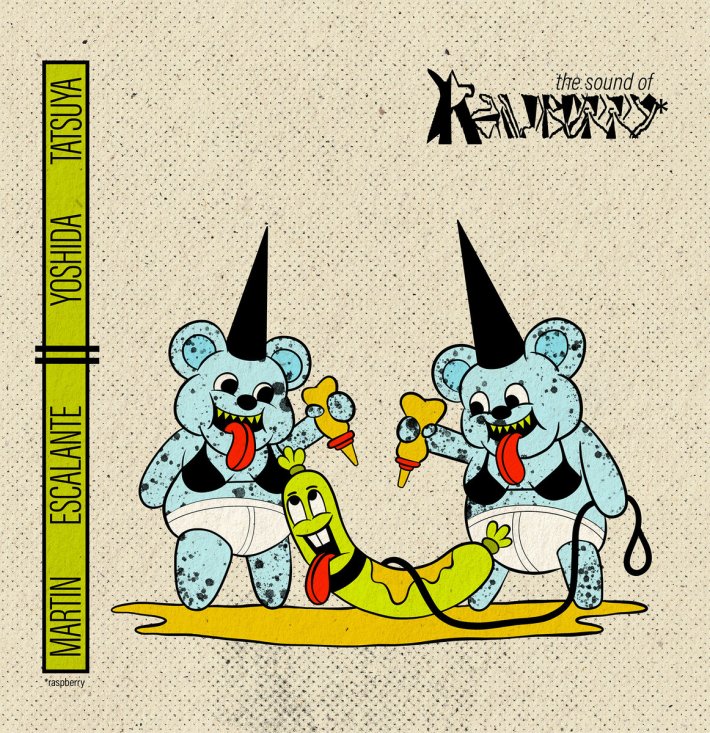
Ruins drummer Tatsuya Yoshida and full-contact reedsmith Martín Escalante burn the "sax and drum duo album" to the ground and vomit glass on the ashes. Escalante — who, crucially, has an album called Playing Harsh Noise On The Saxophone Since 2012 — strangles nothing short of industrial screech out of his horn, a performance of piercing highs, strangled-duck wavers and psychotic scribble. Any fan of Ruins could guess Yoshida's game: pushing and pulling in starts and stops, clutching cymbals, tumbling down the kit and occasionally interjecting with some zeuhl-fried blabberwocky. John Zorn and Slayer drummer Dave Lombardo also did an excellent drums-and-sax album this year, and this mops the floor with it. Seemingly available in every record store in Los Angeles.
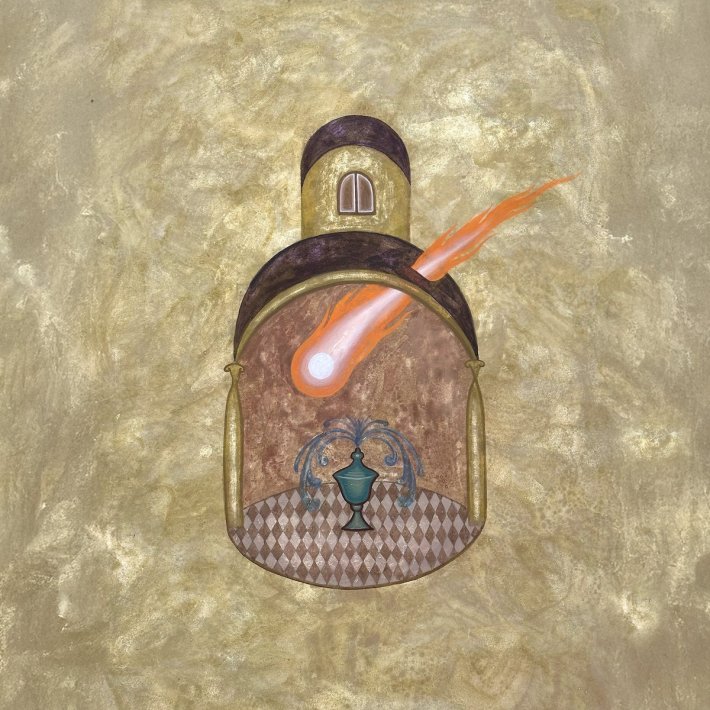
This is the special type of experimental record that could break containment if more people heard it. On two longform tracks, Ukrainian producer Oleh Shpudeiko and vocalist Andriana-Yaroslava Saienko interpret the Medieval melodies of Hildegard von Bingen for voice and synthesizer. Von Bingen's performance — transcendent, haunting, and reaching athletic parts of the scale — is a pained and hopeful cry in the shadow of a very visible war. Shpudeiko follows with Riley-esque flutter and enveloping modular synth drone. A powerful performance and an overwhelming sound.
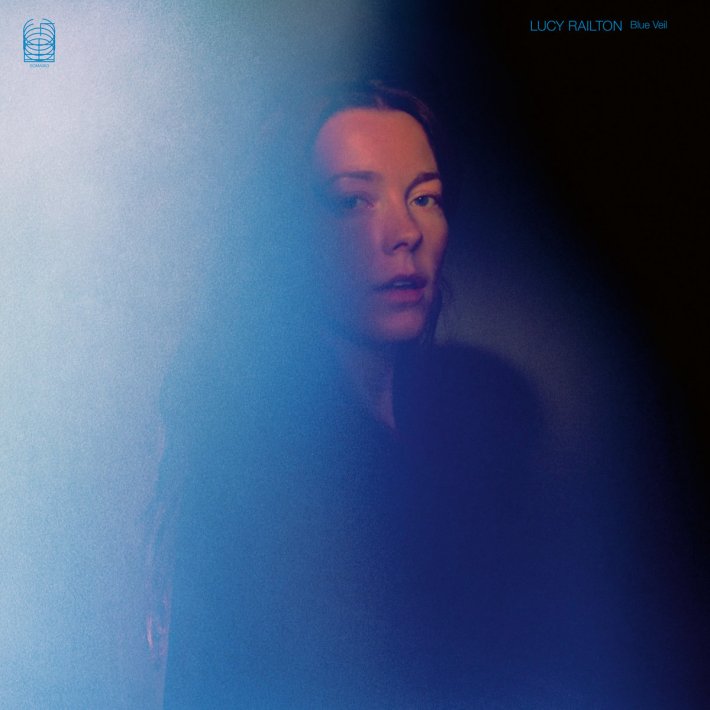
Somewhere between Phill Niblock and SunnO))), Blue Veil by British cellist Lucy Railton lives in the moment where sound waves clash, intertwine, judder and commingle. Using just intonation and focusing on the physical manifestation of sound like a four-string Emptyset, Railton slowly pulls out 40 minutes of drones that embrace in a colorful, throbbing dance.

For his first chamber piece, veteran UK producer Mark Fell trades his pointillist electronic stutterworks for the warm strings and woodwinds of London's Explore Ensemble, a unique timbral world for his continued work in the flickering zones where sound crashes into silence. Though adding six humans and their improvisational muster into his work, Psychic Resynthesis is still undeniably Fell — the piece that inspired the album has a process-centric score that guides the musicians via "duration blocks," "behaviors," and "elements." Violins quake like breaking radio transmissions, flutes warble like amplifier feedback, strings mimic sine waves, and Fell's unique architecture sets the stage for pokes, prods, Morse code blips, stabs, plucks, raps, squeaks, Frithisms, and gaping chasms of quiet.
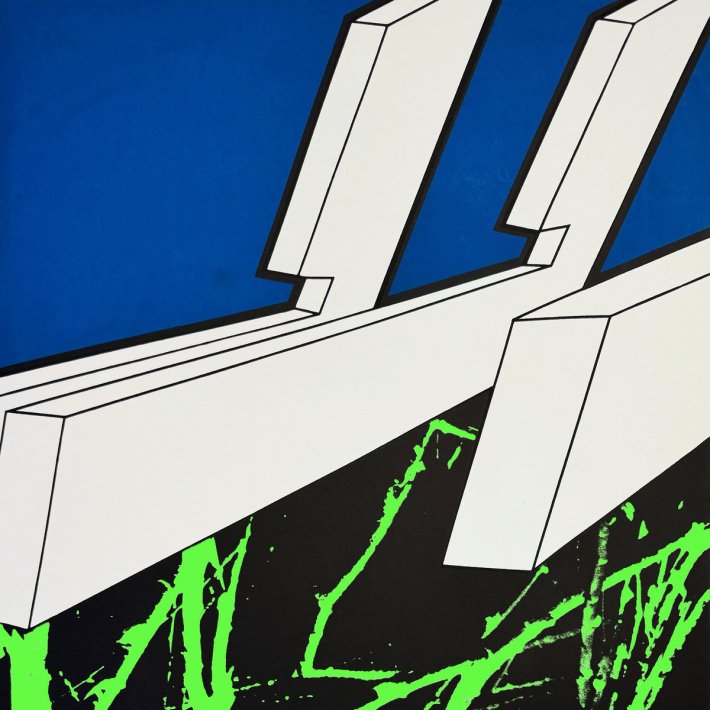
By this time in 2027, Oneohtrix Point Never will have been releasing music for more than 20 years — longer than the 1980s and 1990s combined! It's improbable and incredible that he can keep digging in the same spots and still manage to unearth new ways to tickle our collective memory. Built on '90ssample CDs — already a simulacrum of popular music — the 11th album from OPN is ethereal but frantic, a jumble of his trademark stutters and throbs that feels like a clip show flashing back to the previous clip shows. Like a sunnier counterpart to his 2011 nostalgia-nightmare Replica, Tranquilizer recalls liminal-space easy listening, jingles saved on dust-caked software, and the uneasy dreams soundtracked by the music piped into the local mall's Natural Wonders store.
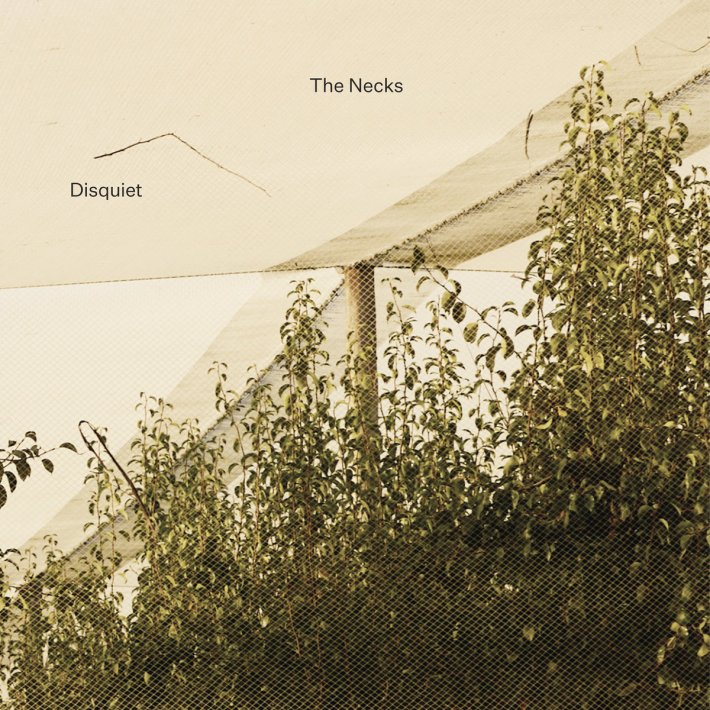
The 22nd album from glacial improv trio the Necks is a three-hour treatise on every type of magic they've wrung from 37 years of molasses jazz. Four longform ooze-riff lurch-outs, each of them unique, spiral out across three CDs, making this the most ambitious statement yet for a band who regularly drops hour-long zone-outs. The 57-minute "Rapid Eye Movement" is a classic Necks slo-mo crescendo, an ill-angled katamari of Hammond drone, tumbling upright bass, and expressionist cymbal sparkle that picks up piano, bowed strings, and all manner of junk percussion as it lumbers. The methodic, clattering centerpiece "Ghost Net" is a spiderweb of multi-tracked activity, layering three asynchronous rhythms in a way that makes the band wobble and clank and hiss like a steampunk Autechre. The third disc matches a beaming math-rock "Maggot Brain" ("Causeway") with a brooding, Bohren-style denouement.